Section 1
Search intent and buying trigger for CRM platforms
People searching for CRM platforms are usually in evaluation mode, not just browsing. The dominant trigger is that leaders want a complete customer timeline for faster and more consistent support decisions. A strong page should therefore help support operations leaders map intent to operational decisions instead of listing features without execution context.
Section 2
Operational requirements before selecting CRM platforms
Before choosing tooling, define shared customer profiles, assignment rules, and documented escalation ownership. Without this baseline, teams often overbuy functionality and underdeliver customer outcomes. Selection quality improves when ownership, escalation rules, and response standards are documented first. Document exception handling per queue so execution stays stable after go-live.
Section 3
How SamDesk applies CRM platforms in practice
SamDesk combines CRM sync, order metadata, and conversation history in one workspace with queue controls, AI-assisted drafting, and multilingual execution inside one workspace. Agents can triage, assign, and resolve conversations faster while managers keep visibility on workload, quality, and escalation behavior. The commercial upside is faster support outcomes with predictable quality.
Section 4
Implementation roadmap for CRM platforms
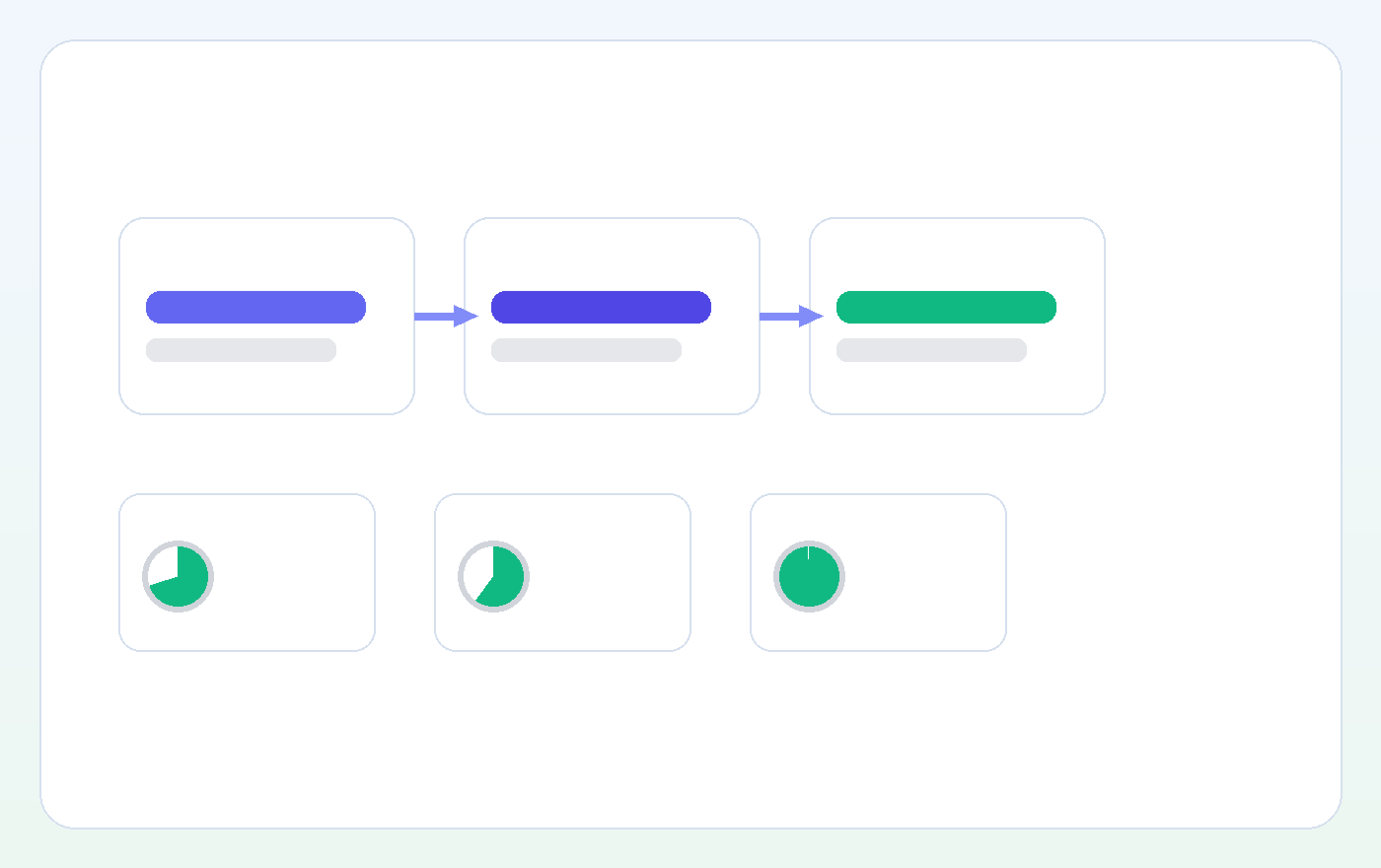
Use a phased rollout model: launch in one pilot queue, measure weekly, then scale by team and language. Start with one high-volume queue, define baseline metrics, then expand only after ownership, response quality, and integration reliability are stable in weekly reviews.
Section 5
KPI framework to validate CRM platforms
Performance should be evaluated with first response time, time to resolution, reopen rate, and CSAT by queue. Track these per queue, language, and channel so you can see where delays or quality drops happen and fix workflows with clear operational owners.
Section 6
Common rollout risks for CRM platforms
The biggest risk is rolling out tooling before ownership and quality controls are defined. Mitigate this by freezing process definitions before expansion, validating reporting parity, and assigning a named owner for each operational change in the first ninety days.
Section 7
Category shortlist and evaluation checklist for CRM platforms
Build a shortlist using workflow fit first, then compare implementation overhead, integration readiness, and manager visibility. This sequence prevents tool-first decisions and improves the odds of sustained service quality gains after launch. A final stakeholder review should confirm ownership model, reporting cadence, and onboarding effort before contracts are signed.
Frequently asked questions
How does SamDesk help with CRM platforms?
SamDesk supports CRM platforms through one operational workspace combining inbox handling, ticket controls, AI assist, and ecommerce context. This setup helps teams reduce delays while keeping ownership and quality visibility clear.
Which integrations should we prioritize first?
Prioritize integrations that unlock CRM sync, order metadata, and conversation history in one workspace. These integrations usually remove the largest operational bottlenecks and create faster time-to-value for support teams.
What KPI baseline should be set for CRM platforms?
Start with first response time, time to resolution, reopen rate, and CSAT by queue and capture baseline values before changes go live. Then review weekly to confirm whether process updates are actually improving queue performance.
How long does rollout normally take?
For most teams, a phased rollout takes two to six weeks depending on integration scope and process maturity. The safest path is to launch in one pilot queue, measure weekly, then scale by team and language.
What should we avoid during implementation?
Avoid starting with tooling configuration before operational ownership is explicit. The most frequent issue is rolling out tooling before ownership and quality controls are defined, which causes inconsistent execution after launch.